
The Konyak of Nagaland

High in the wild hills of Mon, where the clouds often settle on the roofs of Longwa, a powerful silence hangs in the air. Here, the last generation of warriors, their faces etched with deep indigo tattoos, tell stories of a time when the spoils of war measured bravery. To walk among the Konyaks is to witness a fading era of raw courage and intricate tradition that you won’t find anywhere else on the planet.
Quick Facts / Snapshot
- How to Recognise Them:
- Region: Mon District, Northern Nagaland (bordering Myanmar).
- Language: Konyak (a Tibeto-Burman language with various local dialects).
- Famous For: Facial and body tattoos, headhunting history, and skilled blacksmithing (making guns and machetes).
- Major Festival: Aoleang Monyu (celebrating spring and the new year).
History & Origin Story.

The Konyaks are arguably the most iconic of the 17 major Naga tribes, primarily due to their formidable reputation as “The Headhunters.” Historically, they were the last of the Naga tribes to accept Christianity and give up the practice of headhunting, which continued well into the 1960s. Their history is one of territorial dominance; they lived in fortified villages atop hills to keep a watchful eye on rivals.
Unlike many other tribes, the Konyaks follow a traditional system of hereditary chiefs known as Anghs. The Angh holds immense authority over the village, and, interestingly, some Konyak villages, like Longwa, are geographically unique the Angh’s house is literally split by the international border, with half in India and the other half in Myanmar.
Spiritual Significance & Beliefs
Prior to the arrival of the missionaries, the Konyak people have a complex belief system consisting of forest spirits and many more ancestor spirits. They also believed in a singular Gawang, the giver and source of life and fertility. Most of their rituals centered around the concept of life force.
The Konyak believed the the human head was the strongest possessor of this life force, which is why headhunting was a spiritual must. It was believed that this act would enhance the fertility of the crops and the prosperity of the entire community. Today, while a majority of the Konyaks are Christians, they still hold deep respect and almost a spiritual connection to the traditions of their ancestors and the land.

Legends & Local Stories.

One of the most captivating legends is the story of the Hao-Sua (The Great Tiger). It is said that the Konyak ancestors shared a brotherly bond with the tiger. Folklore tells us that a man and a tiger were born of the same mother; the man stayed to farm the land while the tiger went to guard the forest. This is why, even today, many Konyak clans view the tiger as a sacred guardian, and killing one is considered a grave omen that requires elaborate cleansing rituals.
How to Access & Best Time.
- Reaching the Mon district is a journey for the patient traveler. The most common route is via Dibrugarh in Assam, which has the nearest airport. From there, it is a bumpy but scenic 6 to 8-hour drive into the Naga hills.
- Best Time to Visit: The first week of April is the absolute best time, as the entire district erupts in celebration for the Aoleang Festival.
- Weather Note: October to March offers clear skies and cool temperatures, making it perfect for village hopping and photography.

The Village Experience.

A visit to a Dongria Kondh village is a lesson in sustainability. Their villages are often located on steep slopes, surrounded by dense fruit orchards. As you walk through the settlement, you will notice the “Dharani Penu” (altar) in the center of the village, which is the heart of all communal activities.
The experience is slow and immersive. You might see women sitting on their porches intricately embroidering their famous shawls or men returning from the forest with baskets of wild berries and honey. The silence of the hills, punctuated only by the forest’s sounds, creates a meditative atmosphere hard to find anywhere else in the world.
Local Culture, Food & Surroundings.
- The Konyak lifestyle is rugged and self-sufficient. Their surroundings are dominated by steep slopes where they practice “Jhum” (shifting) cultivation.
- Food: Expect simple, organic flavors. Their diet consists of smoked pork, fermented bamboo shoots, and steamed tubers, usually accompanied by very spicy Naga chilies.
- Architecture: Their houses are massive, built of palm leaves and bamboo, and feature intricately carved wooden pillars depicting animals and warriors.
Unique Skills & Art Forms.

The most visible art form is, of course, the facial tattooing. These weren’t just decorations; they were earned “medals” signifying that a warrior had taken an enemy’s head. The process involved painful hand-tapping with thorns and a mixture of soot and sap.
Beyond tattoos, the Konyaks are masters of blacksmithing. They are famous for forging their own “Dao” (machetes) and even flintlock guns. Their beadwork is also exceptionally detailed, with brass trophy heads often hung around their necks to represent their warrior lineage.
Who Should Plan This Journey?
This trip is for the hardy explorer and the history enthusiast. If you are looking for luxury hotels, this isn’t the place. But if you are a photographer, an anthropologist, or a traveler seeking a profound connection with one of the world’s last unique cultures, Mon will stay in your heart forever.

FAQs
It is safe. However, the language barrier and lack of transport infrastructure make it much easier and safer to travel with a curated group or a local guide.
Indian tourists need an Inner Line Permit (ILP), while foreign tourists must register at the local police station upon arrival. When you book with Tribal Explorers, we handle the entire ILP process for you, ensuring all legal requirements are met.
You should never take photos without asking and, in many cases, offering a small gesture of respect or a tip. Our guides help navigate these interactions to ensure no one feels disrespected.
Join our next Tribal Expedition to Nagaland.
Ready to walk through the living galleries of Nagaland?
Best Selling Tribal Explorer Tour Packages
- Nagaland
- 10 Nights / 11 Days
Nagaland & Manipur Tribal Treasures and Scenic Beauty
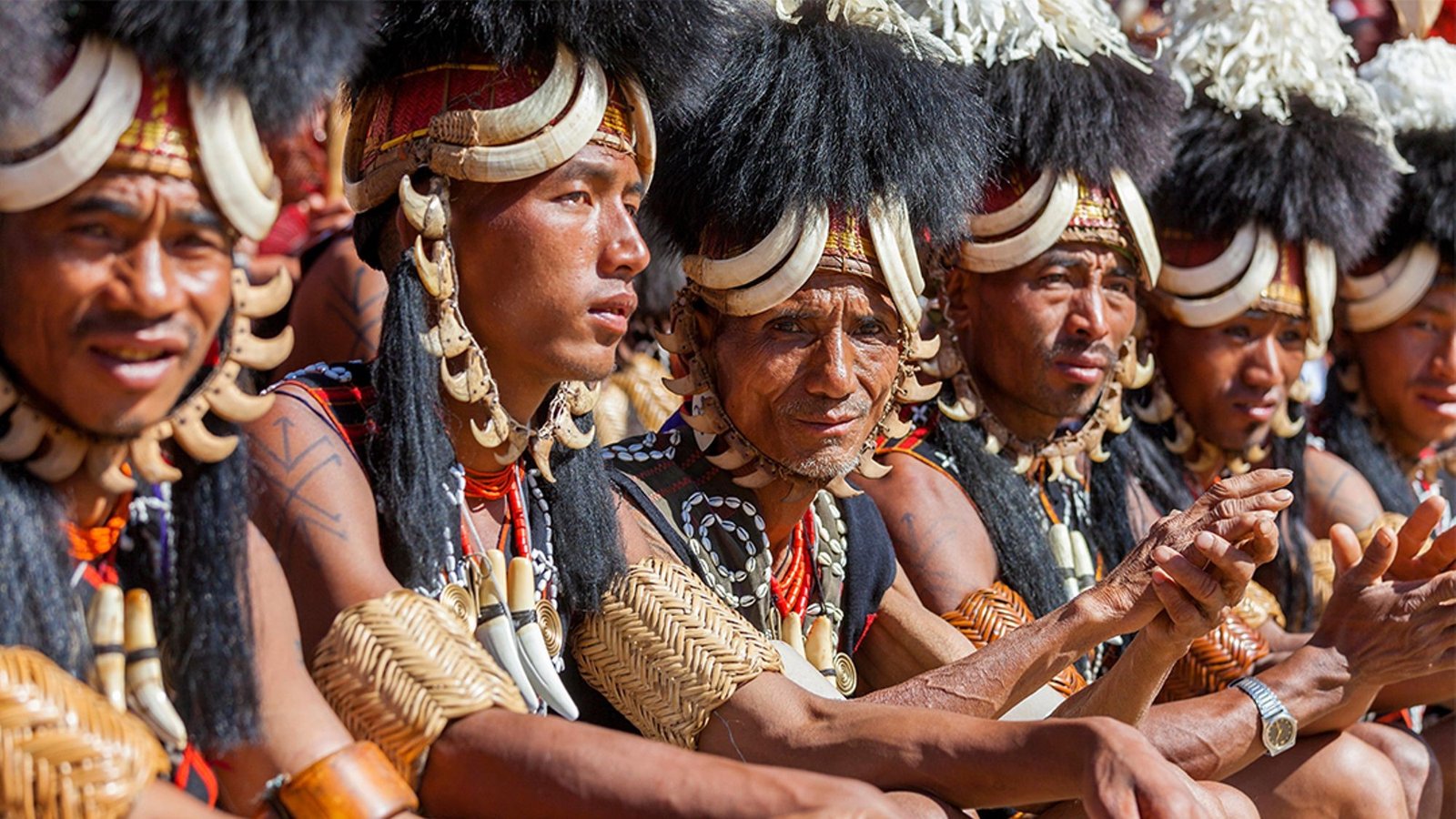
Explore the vibrant tribal cultures and natural wonders of Nagaland and Manipur. From the unique Konyak Naga villages in Mon to the scenic terraced fields of Khonoma, this tour offers an authentic experience of tribal life, traditions, and hospitality.
- Nagaland
- 7 Nights / 8 Days
Nagaland Tribal Wonder Journey
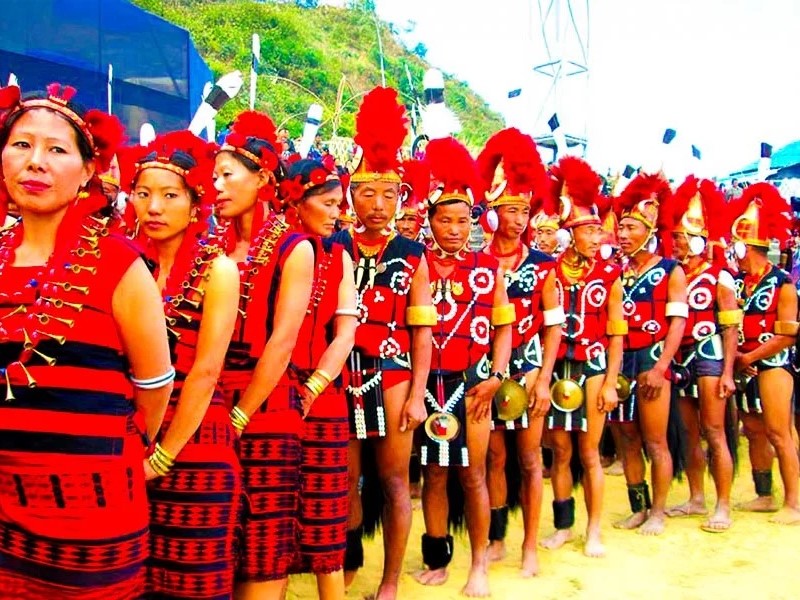
Nagaland is a beautiful state in Northeast India, covered with forests and home to many tribal communities. On this special 8-day tour, travellers will experience the local way of life, colourful markets, ethnic festivals, and warm village hospitality.
- Nagaland
- 5 Nights / 6 Days
Nagaland's Tribes Hornbill Festival & Village Life
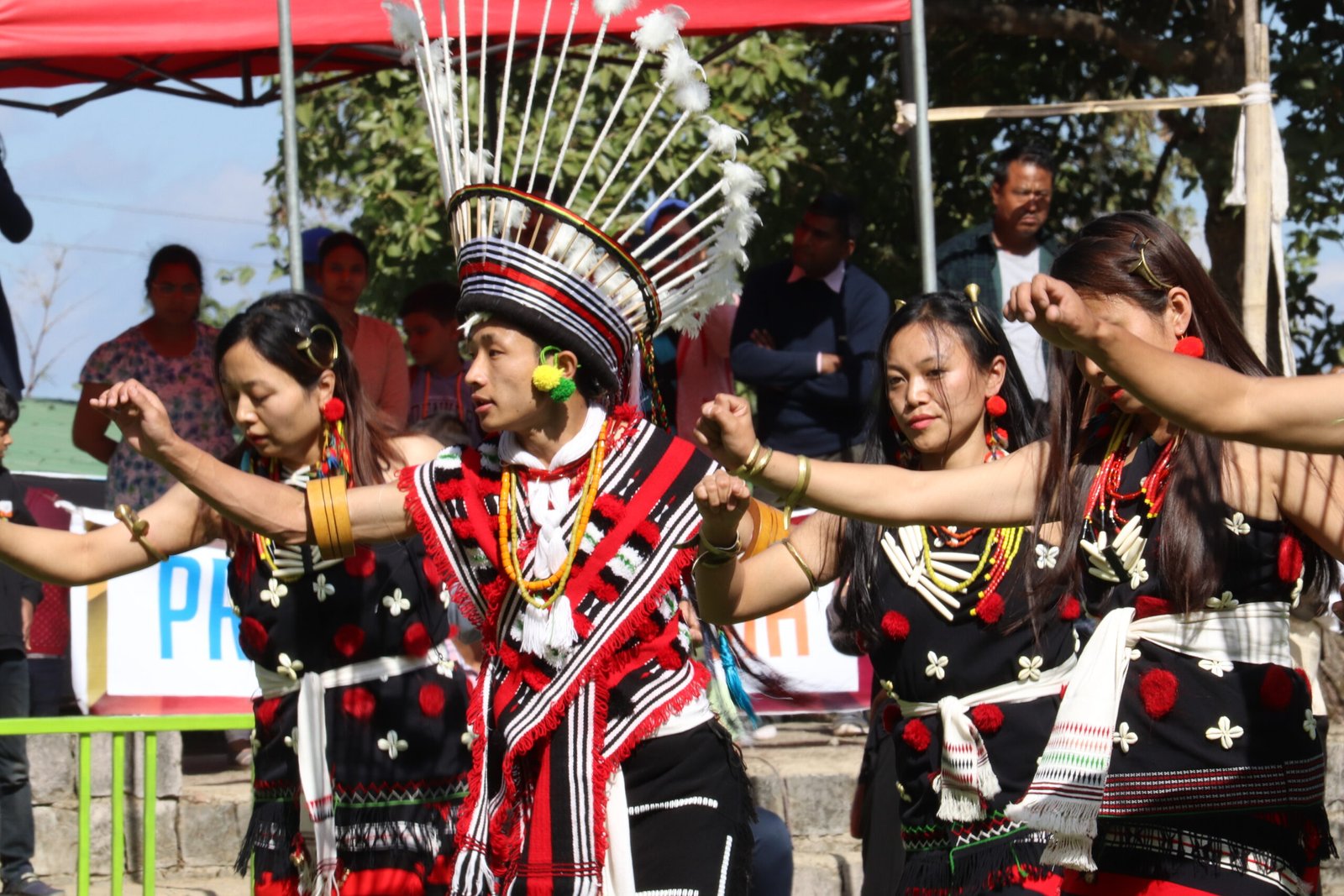
Come to Nagaland’s capital, Kohima, for the famous Hornbill Festival. This colourful event brings together all Naga tribes for dances, music, food, and local games.
Have Questions?
Let’s Plan Your Next Exploration
+91-7978272488
info@tribalexplorers.com
Send us a message
Having an Enquiry?
Join us to explore responsibly - where every journey respects tradition.