
The Dongria Kondh of Odisha
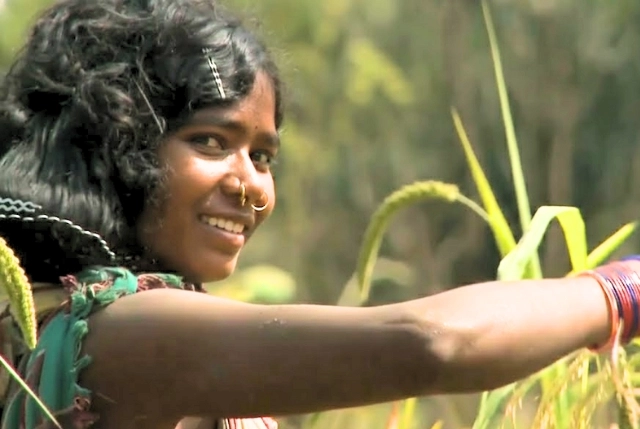
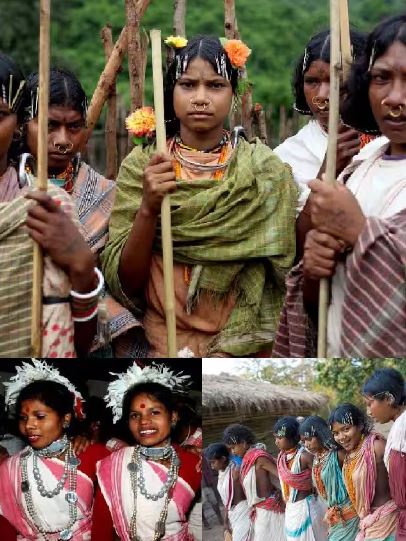
At the misty peak of the Niyamgiri mountain range, the air is filled with the sweet-smelling wild orchids and the calming tunes of timeless melodies. The Dongria Kondh, the self-declared guardians of the Niyamgiri mountains, have lived on all the mountains sacred to them for centuries, their very being devoted to the steep slopes and niyanta to the flowing streams. To any visitor, the community’s radiant and distinct yellow dresses and hair ornaments are a rare find in an enchanted place where the only divinity is natural.
Quick Facts / Snapshot
- How to Recognise Them:
- Region: Niyamgiri Hills, Rayagada and Kalahandi Districts, Odisha.
- Language: Kui (a Dravidian language with a distinct local dialect).
- Famous For: Kapdaganda Shawls(embroidered by hand), intensive hill farming, and their victory in protecting their land.
- Major Festival: Meriah Festival (Kedu) and Chaitra Parba.
History & Origin Story.

The Kondh tribe is one of the most significant indigenous populations in India, and its sub-group, the Dongria, is particularly marginalized. As the name indicates, the word ‘Dongar’ translates to ‘hill’, and the Dongria Kondh have defined their history and geography by the Eastern Ghats, where they have lived for centuries, high in the altitudinal plateaus of the region. In contrast to most other tribes who migrated to the plains, the Dongria Kondh have remained in the highlands, developing a distinct identity in relation to the Niyamgiri groves. Historically, they gained international recognition for their legendary legal battle to protect their sacred mountains from industrial mining. This resilience isn’t new; it is a trait passed down through generations of ancestors who viewed themselves not as owners of the land, but as its eternal children and protectors.
Spiritual Significance & Beliefs
Spirituality for a Dongria Kondh is inseparable from the ecology of the Niyamgiri hills. They believe that their supreme god, Niyam Raja, resides on the highest peak and provides them with everything they need to survive. Consequently, the entire mountain range is considered a temple.
Their religious practices center on appeasing the earth goddess and mountain spirits to ensure a good harvest. Every stream and forest patch is believed to be guarded by a specific deity. This profound spiritual connection is why the tribe lives in such perfect harmony with nature—to harm the mountain is, for them, an act of sacrilege against Niyam Raja himself.

Legends & Local Stories.

The most enduring legend among the tribe is the story of Niyam Raja, the “King of the Law.” It is said that in ancient times, the hills were barren and the people were lost. Niyam Raja descended to the peaks, gave the people the Kui language, taught them the art of hill farming, and laid down the “Niyam” (laws) of the forest. This folklore isn’t just a story; it is the constitution by which every Dongria Kondh lives, ensuring they never take more from the forest than they need.
How to Access & Best Time.
Reaching the secluded hamlets of the Dongria Kondh requires careful planning. The nearest central town is Rayagada, which is well-connected by rail to cities like Bhubaneswar and Visakhapatnam.
From Rayagada, one must travel by road to the base of the hills and then trek to reach the actual settlements.
Best Time to Visit: October to February offer the most pleasant weather for trekking.
Pro Tip: Visiting during a Weekly Haat (Market) in Chatikona is the best way to see the community members as they descend from the hills to trade their forest produce.
The Village Experience.
A visit to a Dongria Kondh village is a lesson in sustainability. Their villages are often located on steep slopes, surrounded by dense fruit orchards. As you walk through the settlement, you will notice the “Dharani Penu” (altar) in the center of the village, which is the heart of all communal activities.
The experience is slow and immersive. You might see women sitting on their porches intricately embroidering their famous shawls or men returning from the forest with baskets of wild berries and honey. The silence of the hills, punctuated only by the forest’s sounds, creates a meditative atmosphere hard to find anywhere else in the world.
Local Culture, Food & Surroundings.
- The Dongria Kondh are masters of Horticulture. Their surroundings are a literal “Food Forest” filled with pineapples, oranges, turmeric, and ginger.
- Food: Their diet is incredibly healthy, consisting of forest-foraged greens, millets like Ragi (Mandia), and a variety of wild mushrooms.
- Culture: The community is highly egalitarian. You’ll notice both men and women wearing distinctive jewelry, including multiple nose rings and hairpins, which symbolize their status and clan identity.

Unique Skills & Art Forms.
The crowning jewel of their craftsmanship is the Kapdaganda Shawl. These shawls are hand-woven and then embroidered with red, yellow, and green threads. Each color has a meaning: green for the fertile hills, red for the blood of their ancestors, and yellow for their spiritual heritage.
Besides weaving, they are skilled in making functional art from brass and wood. Their agricultural skill is also an art form; they practice “Dongar Chas” (shifting cultivation) on steep inclines with such precision that it prevents soil erosion while providing a diverse range of crops.
Who Should Plan This Journey?
- This journey is tailor-made for:
- Eco-conscious Travelers: Those who want to learn about ancient sustainable farming.
- Photographers & Art Lovers: Who appreciate rare, indigenous textiles and unique aesthetics.
- Advocacy & History Buffs: Those inspired by the tribe’s legendary struggle for land rights.

FAQs
It is safe, but we strongly advise against going alone due to the remote terrain and linguistic barriers. Booking through Tribal Explorers ensures you have a guide who knows the paths and the local customs.
Yes, visiting certain tribal pockets in Odisha requires permission from the District Collector or the Tribal Welfare Department. When you book with us, we handle all these legal formalities on your behalf.
Moderate. Expect uphill treks and walking on uneven forest trails. A basic level of fitness is recommended to enjoy the village experience fully.
Join our next Tribal Expedition to the Niyamgiri Hills.
Ready to walk through the living galleries of Odisha?
Best Selling Tribal Explorer Tour Packages
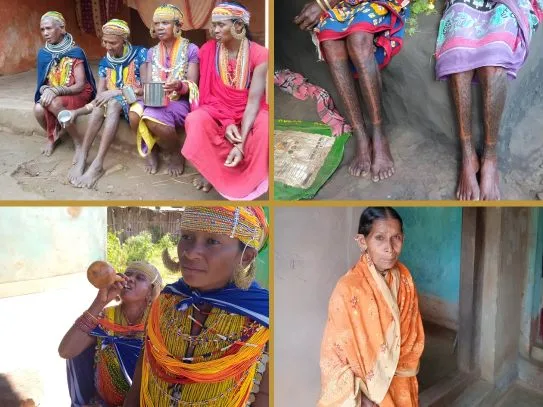
- Odisha
- 14 Nights / 15 Days
Odisha Tribal Heritage and Ethnic Village Tour
Experience the rich culture and diversity of Odisha’s tribal heritage on this immersive 15-day tour. This tour offers the ultimate experience for those who appreciate authentic ethnic culture in Odisha.
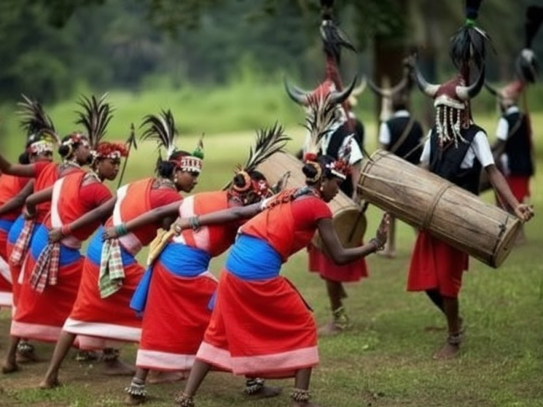
- Odisha
- 14 Nights / 15 Days
Tribal Trails of Chhattisgarh & Odisha
Join this special 15-day combo tour of Chhattisgarh and Odisha, where you can immerse yourself in the unique tribal cultures of the region. This tour provides a balanced blend of anthropology, nature, and tradition.
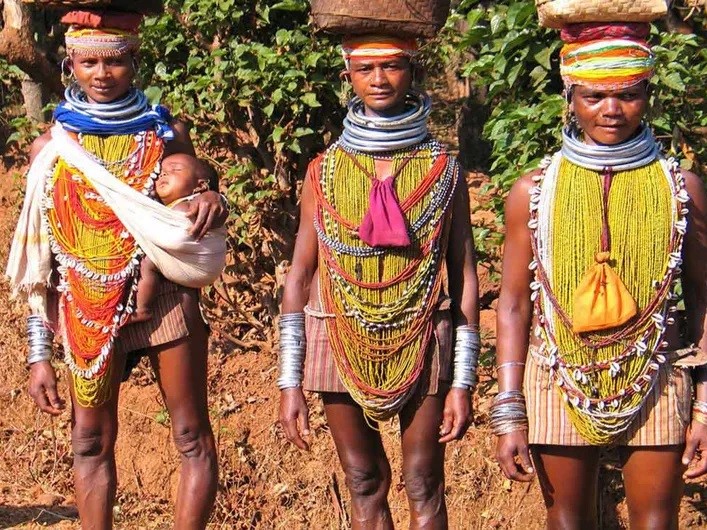
- Odisha
- 7 Nights / 8 Days
Odisha Tribal Tour
The Odishi culture is rich and can only be experienced by visiting the tribal villages, where, one of the most interesting ethnic groups of India, lives; Suspected of living their own authentic traditions, dress codes, languages, and artworks generation by generation.
Have Questions?
Let’s Plan Your Next Exploration
+91-7978272488
info@tribalexplorers.com
Send us a message
Having an Enquiry?
Join us to explore responsibly - where every journey respects tradition.