
The Baiga Tribe of Madhya Pradesh

Step into a world where the earth is considered a sacred mother and the forest provides everything a human soul needs. Hear the rhythmic beat of the Mandar drum echoing through the Maikal Hills, as women adorned with intricate tattoos dance in a swirl of colourful traditional sarees. This is the realm of the Baiga, one of India’s most ancient and reclusive tribes.
Quick Facts / Snapshot
- How to Recognise Them:
- Region: Dindori, Mandla, and Balaghat districts of Madhya Pradesh (Maikal Hills).
- Language: Baigani (a derivative of Chhattisgarhi) and Hindi.
- Famous For: Godna (Traditional Tattoos), Shifting Cultivation (Bewar), and Herbal Medicine.
- Major Festival: Cherta, Hareli, and the vibrant Karma Dance festivals.
History & Origin Story.

The Baiga are recognized as one of the Particularly Vulnerable Tribal Groups (PVTGs) in India. They are often called the “Children of Mother Earth” because they believe they were the first humans to be created. Historically, they have lived in the dense forests of Central India for thousands of years, maintaining a lifestyle that is almost entirely independent of modern technology.
For centuries, the Baiga refused to use a plough to till the land. They believed that using a plough would be like “tearing the breast of their Mother Earth.” Instead, they practised Bewar (shifting cultivation), scattering seeds in the ashes of burnt forest patches. While modern laws have limited these practices, their history remains deeply tied to this philosophy of non-violence toward the soil.
Spiritual Significance & Beliefs
The Baiga are not just inhabitants of the forest; they are its spiritual protectors. Their religious life centres on the worship of Thakur Dev, the village god, and Budha Dev, who resides in the Saja tree.
Interestingly, the Baiga are called “priests of the forest” by their neighbours, the Gonds. They are known to be experts in the performance of rituals meant to pacify the spirits of the forest or facilitate the healing of a person, owing to their immense expertise in the science of tantra and the healing elements of nature. For a Baiga, nature is not a resource to be exploited, but a living and breathing entity that deserves reverence and offerings.

Legends & Local Stories.

According to Baiga folklore, their ancestor Nanga Baiga was bestowed with magical powers by the gods to protect the world. It is said that the tiger is the Baiga’s younger brother. Legend has it that Nanga Baiga once helped a tiger in distress, and since then, the tribe has shared a mystical bond with the big cats of the Satpura and Maikal ranges. This is why many Baigas still feel a sense of fearlessness as they walk through the dense tiger corridors of Kanha.
How to Access & Best Time.
- The Baiga heartland is primarily located around the periphery of Kanha National Park and the Dindori district.
- How to Reach: The nearest airport is in Jabalpur (approx. 150 km away). You can also reach by train via Jabalpur or Bilaspur. From there, a private jeep is the best way to navigate the hilly forest roads.
- Best Time to Visit: October to March offers the best weather. However, visiting during the Holi season is spectacular, as you can witness the traditional Phag dances.

The Village Experience.

Visiting Baiga Chak (village) is a lesson in minimalism. Their homes are small, mud-plastered huts with beautifully swept courtyards, often decorated with simple tribal art. Life here moves slowly. You will see men returning from the forest with roots and tubers, while women sit together in groups, often engaged in the painful but sacred process of tattooing. The silence of the village is refreshing, broken only by the laughter of children or the occasional song from a flute.
Local Culture, Food & Surroundings.
The Baiga diet is incredibly healthy and organic. Their staple food is Pej, a drink made from fermented rice or millets (like Kodo and Kutki), which provides energy for long forest treks. You might also taste wild mushrooms, bamboo shoots, and various forest greens that you won’t find in any city market. The surrounding landscape, filled with Sal and Saja trees, provides a serene environment that feels like a natural sanctuary.
Unique Skills & Art Forms.

The most striking feature of Baiga culture is Godna the art of tattooing. For Baiga women, tattoos are the only ornaments they take into the afterlife. Each pattern on their forehead, arms, and legs has a specific meaning and marks their transition through different stages of life.
Furthermore, they are master healers. A Baiga Vaidya (traditional healer) can identify hundreds of medicinal plants by sight. Their knowledge of forest botany is so deep that many modern researchers visit them to learn about herbal cures for various ailments.
Who Should Plan This Journey?
- This expedition is for those who:
- Interested in Ethno-medicine and ancient healing practices.
- Want to document the disappearing art of Traditional Tattoos.
- Seek a deep connection with Wilderness and Wildlife.
- Appreciate Slow Travel and rural simplicity.

FAQs
Yes, the Baiga people are incredibly peaceful and welcoming. However, since the villages are remote, we recommend travelling with a local guide to bridge the language barrier.
While you don’t need a permit like an ILP for Madhya Pradesh, many Baiga villages are located near protected forest reserves. We handle all the necessary permissions and village headman clearances for our guests.
Are you ready to meet the original guardians of the Indian forest?
Join our next Tribal Expedition to the Maikal Hills of Madhya Pradesh.
Best Selling Tribal Explorer Tour Packages
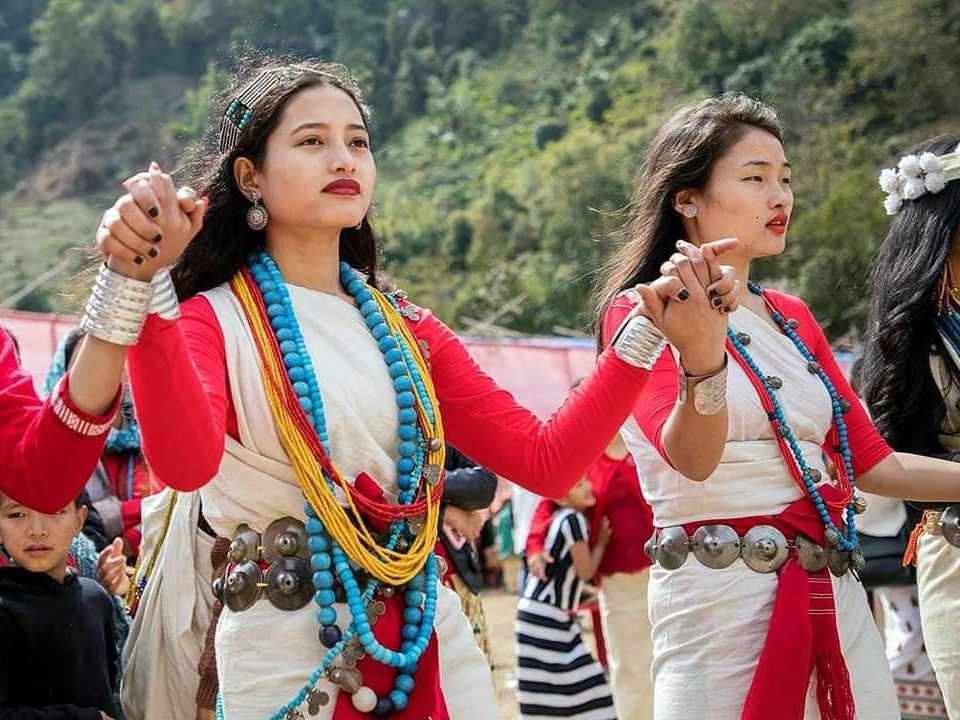
- Arunachal
- 12 Nights / 13 Days
Arunachal Pradesh Tribal Tour
Take a fascinating 13-day, 12-night tour of Arunachal Pradesh, India’s northeastern gem, often known as the “Land of the Mountains.”
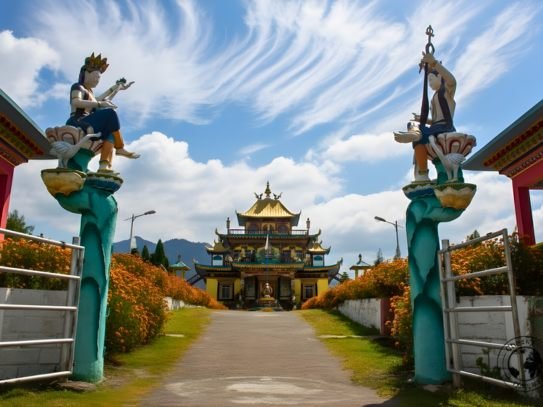
- Arunachal
- 5 Nights / 6 Days
Journey into Arunachal’s Heart & Soul, a 6-Day Tour
Embark on an immersive 6-day tour through Arunachal Pradesh, where you will explore breathtaking landscapes, ancient monasteries, serene lakes, and rich cultural heritage.
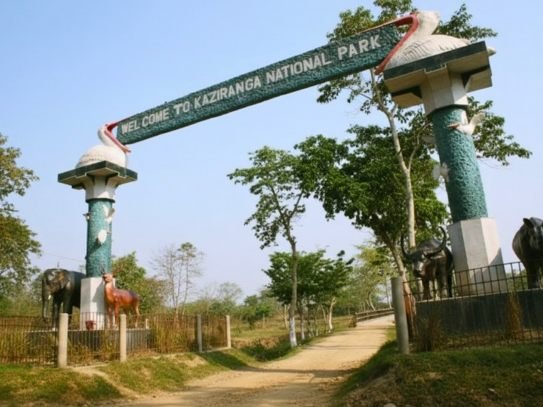
- Arunachal
- 9 Nights / 10 Days
Northeast Beauty Arunachal and Meghalaya Tour
Discover the breathtaking landscapes and vibrant cultures of Meghalaya and Arunachal Pradesh on this thoughtfully crafted 10-day tour.
Have Questions?
Let’s Plan Your Next Exploration
+91-7978272488
info@tribalexplorers.com
Send us a message
Having an Enquiry?
Join us to explore responsibly - where every journey respects tradition.