
The Gonds of Madhya Pradesh
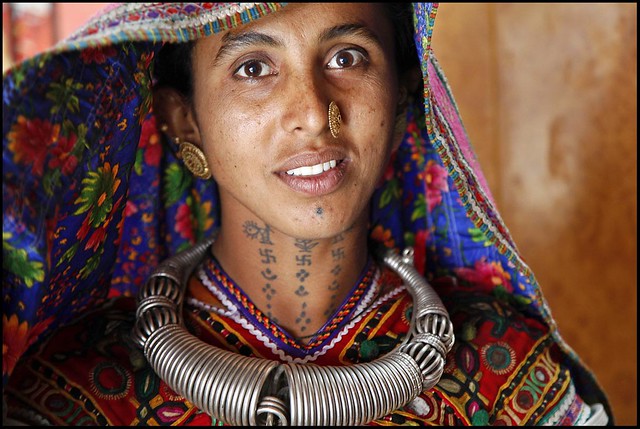
Imagine a world where every wall tells a story and every tree is home to a deity. The Gond community, one of the largest and oldest tribal groups in the world, doesn’t just live in nature—they celebrate it through mesmerizing art and ancient folklore that dates back to the Pre-Aryan era.
Imagine a world where every wall tells a story and every tree is home to a deity. The Gond community, one of the largest and oldest tribal groups in the world, doesn’t just live in nature—they celebrate it through mesmerizing art and ancient folklore that dates back to the Pre-Aryan era.
Quick Facts / Snapshot
- How to Recognise Them:
- Region: Madhya Pradesh (Mandla, Dindori), Chhattisgarh, and parts of Maharashtra.
- Language: Gondi (Dravidian origin) and Hindi.
- Famous For: Gond Paintings (Dots and Lines), Dhokra Art, and the Baiga-Gond culture.
- Major Festival: Madai Festival and Keslapur Jatara.
History & Origin Story.
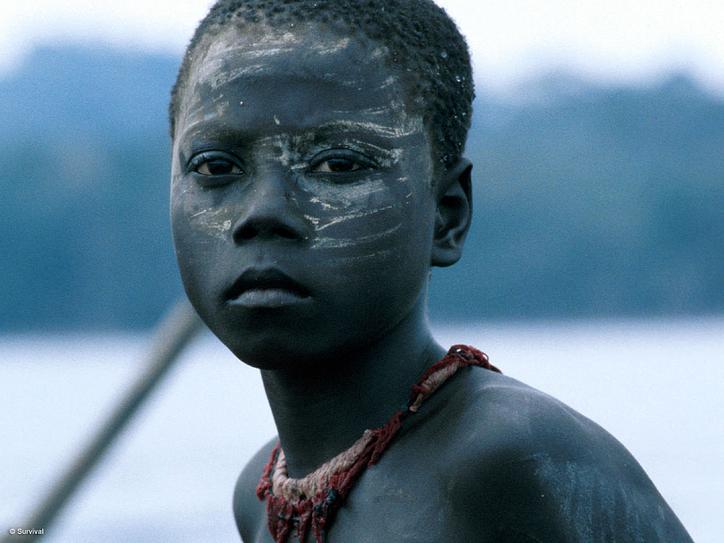
The name ‘Gond’ comes from the Telugu word ‘Konda’, meaning hill. Historically, they were the rulers of Gondwana. Between the 14th and 18th centuries, several Gond dynasties (like Raja Bakht Buland Shah) ruled with absolute power, building forts and massive water reservoirs that still exist today.
The name ‘Gond’ comes from the Telugu word ‘Konda’, meaning hill. Historically, they were the rulers of Gondwana. Between the 14th and 18th centuries, several Gond dynasties (like Raja Bakht Buland Shah) ruled with absolute power, building forts and massive water reservoirs that still exist today.
Spiritual Significance & Beliefs
Spirituality for the Gond community is deeply rooted in Animism, where every natural element possesses a soul. They worship Baradeo, the supreme deity believed to reside in the Saja tree, which serves as their natural temple. Their religious life is a beautiful harmony of rituals that honor ancestors and forest spirits. This sacred connection ensures that the community protects the biodiversity of the region as a divine duty and spiritual practice.
Spirituality for the Gond community is deeply rooted in Animism, where every natural element possesses a soul. They worship Baradeo, the supreme deity believed to reside in the Saja tree, which serves as their natural temple. Their religious life is a beautiful harmony of rituals that honor ancestors and forest spirits. This sacred connection ensures that the community protects the biodiversity of the region as a divine duty and spiritual practice.
Legends & Local Stories.
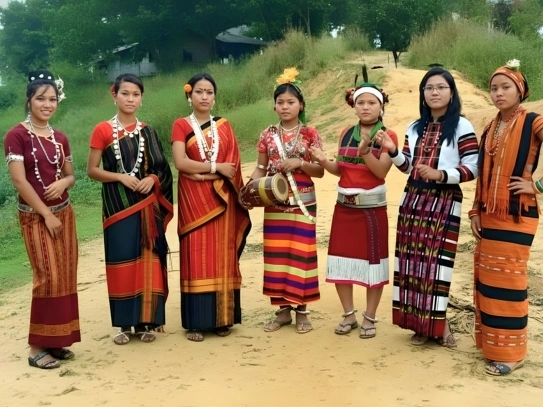
One famous legend is the story of the Lingo-Pen, the heroic ancestor who taught the Gonds the art of music and the use of the 18 musical instruments. It is said that the first Gond song was heard when the wind blew through the dry bamboo forests of Central India.
How to Access & Best Time.
- Best Time: October to March (for pleasant weather) or January/February (to witness the Madai festivals).
- How to Access: Fly into Jabalpur (MP) or Nagpur (Maharashtra). From there, a 3-4 hour drive takes you into the heart of Gond villages like Patangarh.
The Village Experience.
- A guided walk through the village to see "Digna" (traditional geometric patterns) on house entrance walls.
- A session with a master Gond artist. Learn how they use dots and dashes to create vibrant animals and trees.
- Gathering around a bonfire to hear the Pardhan Gonds (the bards/storytellers) play the Bana (a string instrument) and recite oral histories.
Local Culture, Food & Surroundings.
- The Gond lifestyle is simple yet sustainable.
- Food: Try Kodo-Kutki (local millets) and refreshing Mahua flower juice.
- Surroundings: Most villages are near Tiger Reserves like Kanha or Pench, making it a perfect mix of wildlife and culture.
Different Rituals & Practices.
- Gond Painting: Originally a ritual to bring good luck to the home.
- Totems: Each clan has a specific totem (animal or plant) which they are forbidden to harm, showing their ancient conservation wisdom.
Who Should Plan This Journey?
- Art Enthusiasts: Who want to see the origin of the world-famous Gond Art.
- Slow Travelers: Those looking to disconnect from city noise and reconnect with the earth.
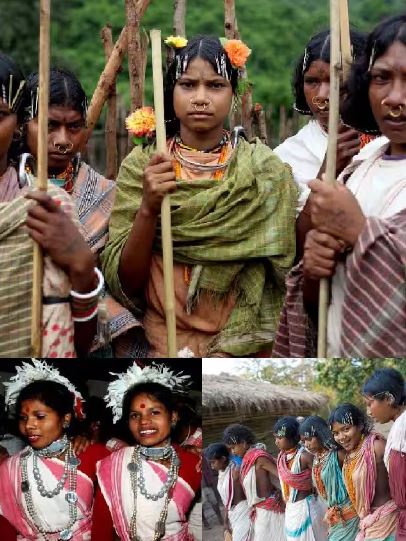
- Photography Lovers: Capturing the intricate tattoos and colorful tribal attire.
FAQs
Yes. Men must wear a Mundu (Dhoti) and remove their shirts. Women must wear a Saree or a long skirt and blouse. Salwar kameez is now allowed in some areas, but traditional sarees are still preferred.
As per current temple rules, only Hindus are allowed inside the main temple complex.
On average, it takes 2 to 4 hours. On weekends and holidays, it can take much longer.
Plan Your Ancestral Journey
Ready to walk through the living galleries of Gondwana?
[Enquire Now for our Upcoming Tribal Expedition]
Best Selling Tribal Explorer Tour Packages
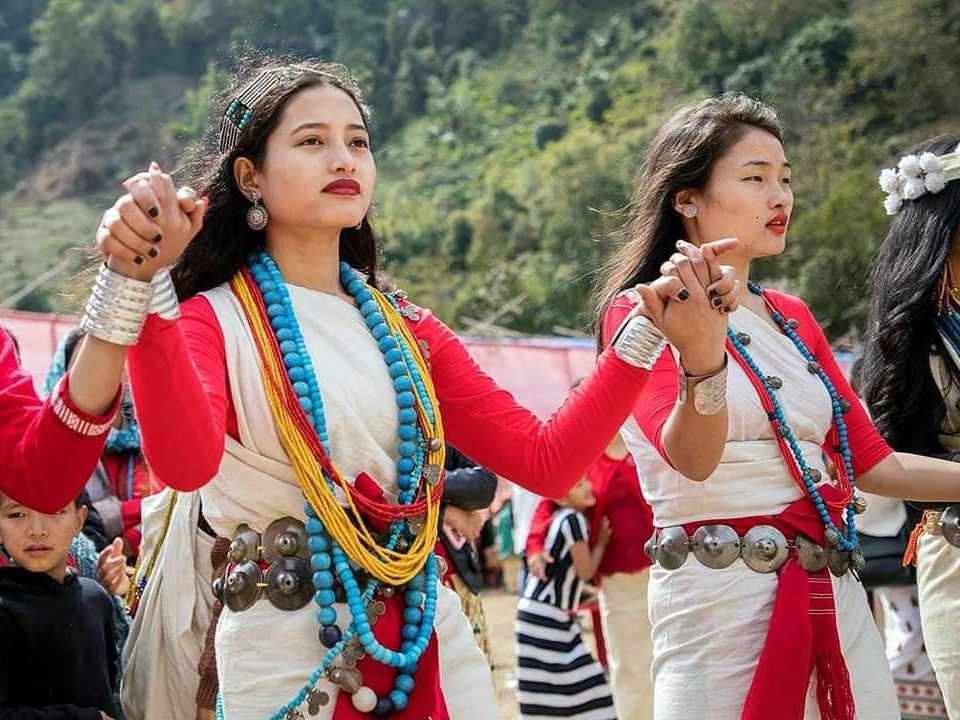
- Arunachal
- 12 Nights / 13 Days
Assam & Meghalaya 8-Day Nature & Culture Trail
(Delhi – Rishikesh – Rudraprayag – Gaurikund – Rudraprayag – Rishikesh – Delhi)
- Transfer
- Hotel
- Sightseeing
- Food
- Arunachal
- 12 Nights / 13 Days
Assam & Meghalaya 8-Day Nature & Culture Trail
(Delhi – Rishikesh – Rudraprayag – Gaurikund – Rudraprayag – Rishikesh – Delhi)
- Transfer
- Hotel
- Sightseeing
- Food
- Arunachal
- 12 Nights / 13 Days
Assam & Meghalaya 8-Day Nature & Culture Trail
(Delhi – Rishikesh – Rudraprayag – Gaurikund – Rudraprayag – Rishikesh – Delhi)
- Transfer
- Hotel
- Sightseeing
- Food
Have Questions?
Let’s Plan Your Next Exploration
+91-7978272488
info@tribalexplorers.com
Send us a message
Having an Enquiry?
Join us to explore responsibly — where every journey respects tradition.